A 40-year-old orchard gets a second life
We didn't plant these trees — someone did, forty years ago. Here's how we're preparing a mature mango orchard for its new residents: chickens, goats and sheep.
15 February 2026 · Venkatagiri Hills Farm
Most integrated farms start with a painful maths problem: plant trees today, wait ten or fifteen years for real shade and real fruit.
We got to skip that entirely — and we know how lucky that makes us.
The orchard that came before us
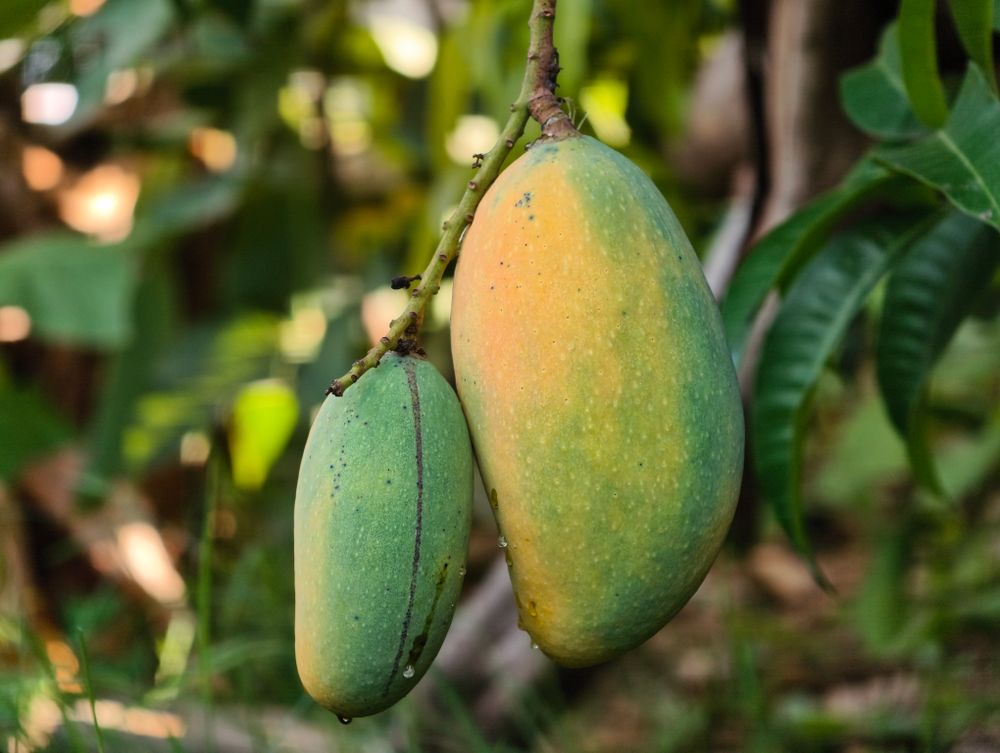
The heart of our farm is a mango orchard planted in the 1980s. Forty summers old. The trunks are thick, the canopy is wide and high, and the trees have been giving Alphonso, Banginapalli, Rumani, Neelam and Rasalu mangoes since long before this website existed.
For years, though, the orchard worked the conventional way: one crop, purchased fertiliser, spray schedules, and bare, hard ground between the trees.
That’s what we’re changing. Not the trees — the floor.
Preparing an old orchard for new residents
A mature orchard is nearly perfect for livestock from day one — deep shade, cover from birds of prey, insects in the leaf litter. But “nearly” meant months of groundwork:
- Fencing first. A full boundary fence, before a single animal arrives. Dogs and jackals are patient; fences must be more patient.
- Clearing, but not too much. We removed thorny undergrowth and left everything the animals can eat. The goal is a forage floor, not a clean floor.
- Retiring the chemicals. The spray pump is going into honourable retirement. The old trees now get compost and animal manure — and the pest control gets feathers.
- Water for everyone. The drip lines were refreshed for the trees, and shaded water points added for the flocks that are coming.
Why this matters for the mangoes too
Chemically-fed orchards slowly lose their soil life. When the animals take over the fertilising, the soil starts filling with earthworms, fungi and insects again — and old trees respond. Sweeter fruit, better keeping quality, and no carbide, ever.
The first chickens arrive in a few months. The orchard has waited forty years for this; it can wait one more season.
Season’s first mango boxes — Alphonso and Banginapalli, 5 kg and 10 kg — go out every April–June. See the Products page.
Come and see it in person.