How it works
Trees above, animals below, everything connected.
Scientists call it silvopasture. Farmers have done it for thousands of years. Here's how it works on our land, in plain words.
The loop
How one orchard does four jobs.
Every step is work we don't have to do with a machine or a chemical.
-
01
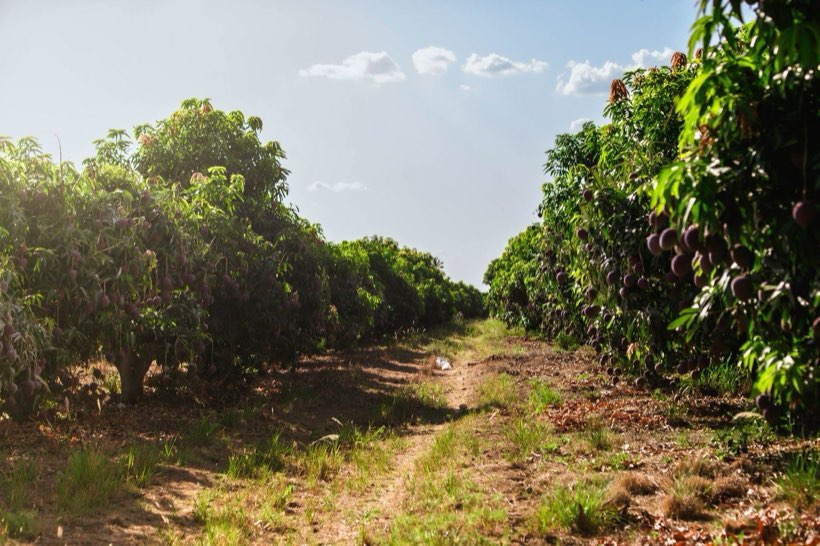
The trees
Forty-year-old mango trees give deep shade through the Rayalaseema summer, shelter from hawks, and a carpet of leaf litter full of insects.
-
02
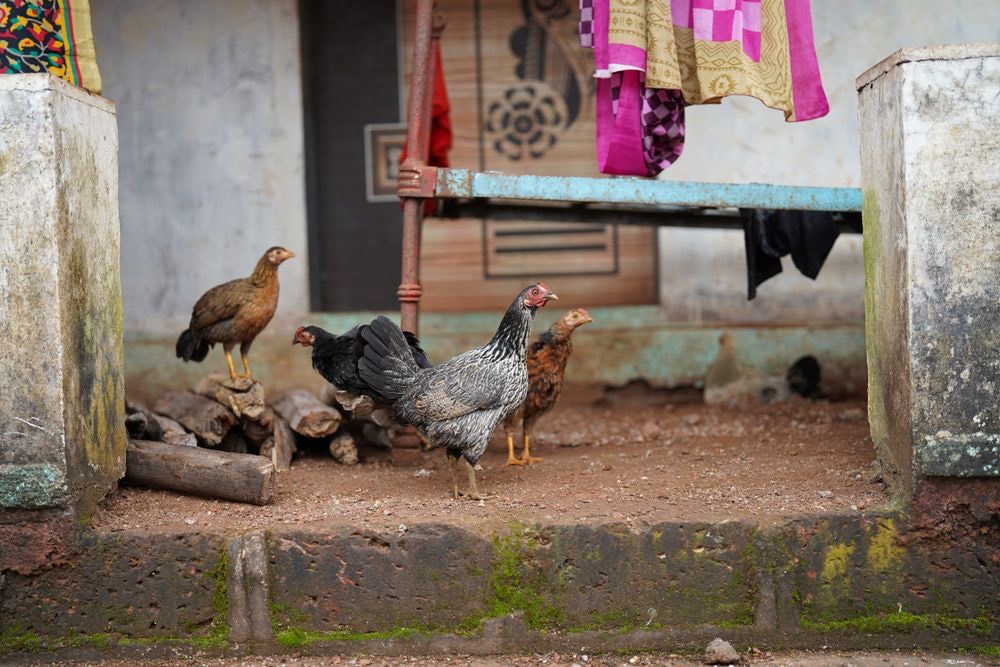
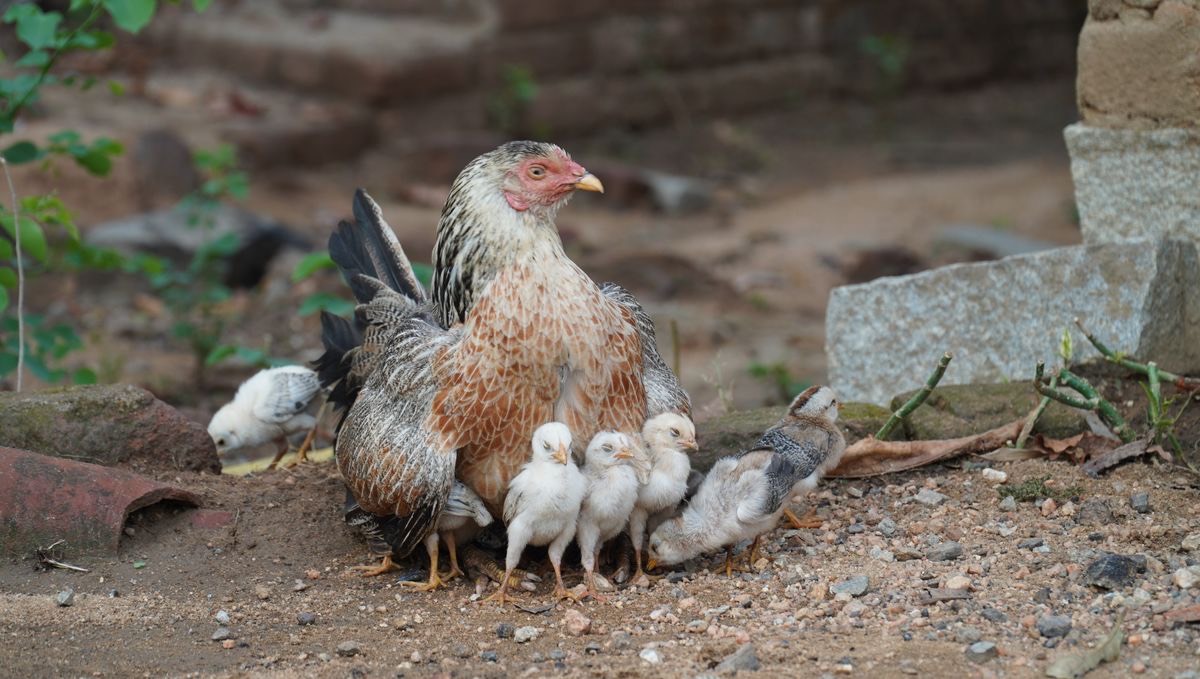
The flocks
Country hens range under the canopy all day, eating insects and pests, scratching weeds out and turning the soil.
-
03
The herds
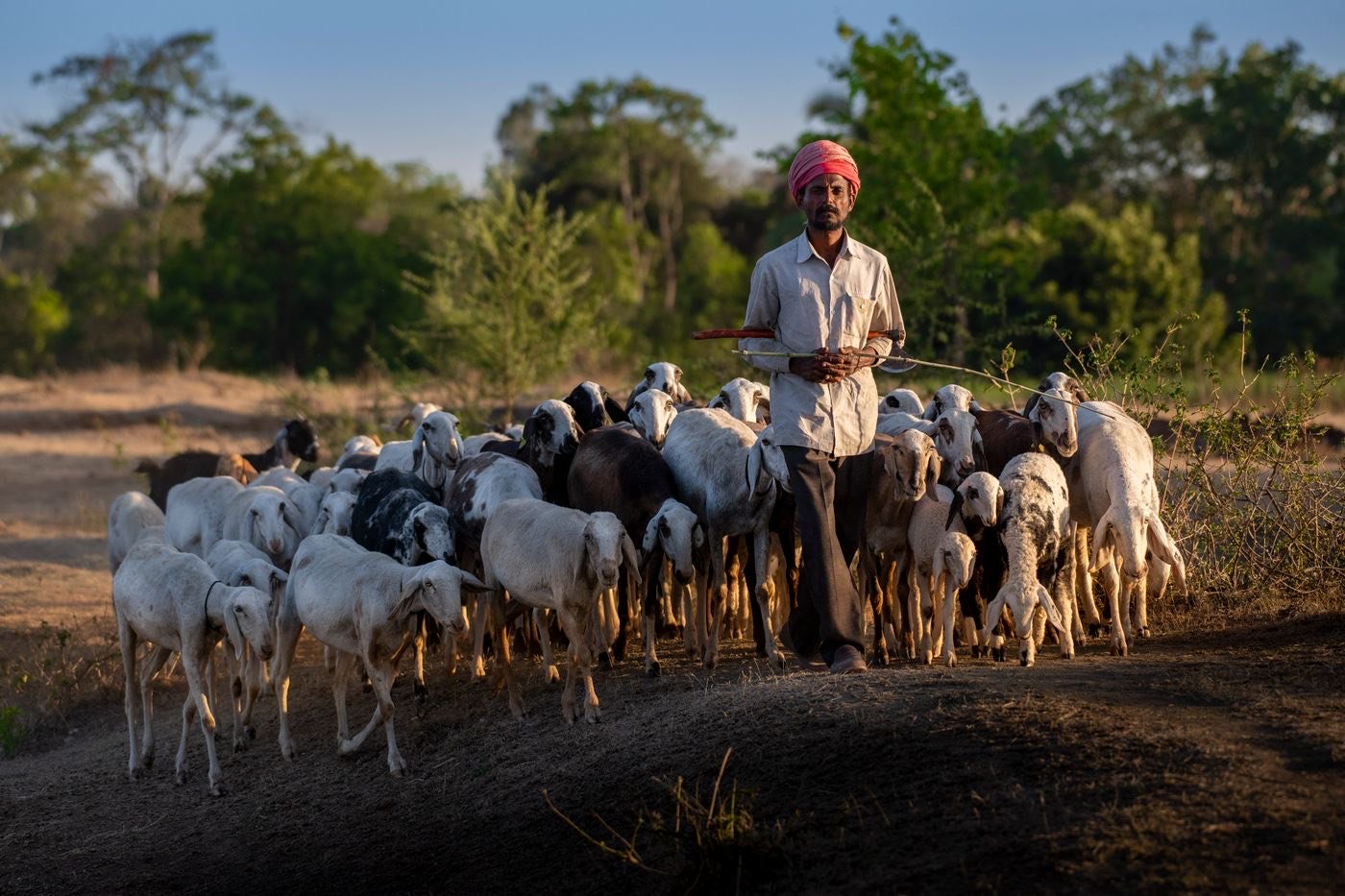
Goats and sheep graze the grass between the rows and are moved on before any patch is overgrazed. Mowing, weeding and fertilising in one.
-
04
The soil
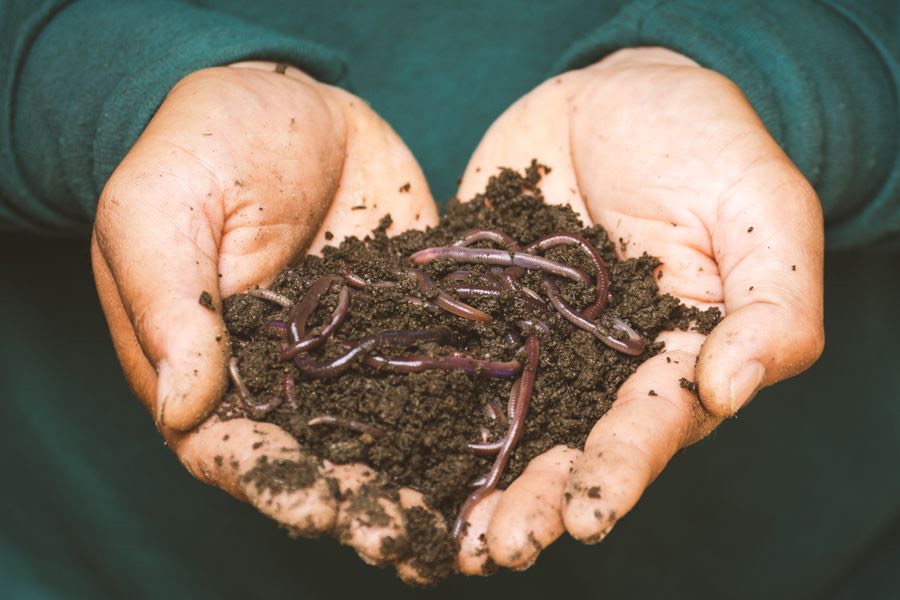
Manure and mulch feed the soil, the soil holds more of our scarce rain, and the trees grow stronger. Then the loop starts again.
No bags of urea. No pesticide sprays. No routine antibiotics.
A day in the orchard
What the animals actually do all day.
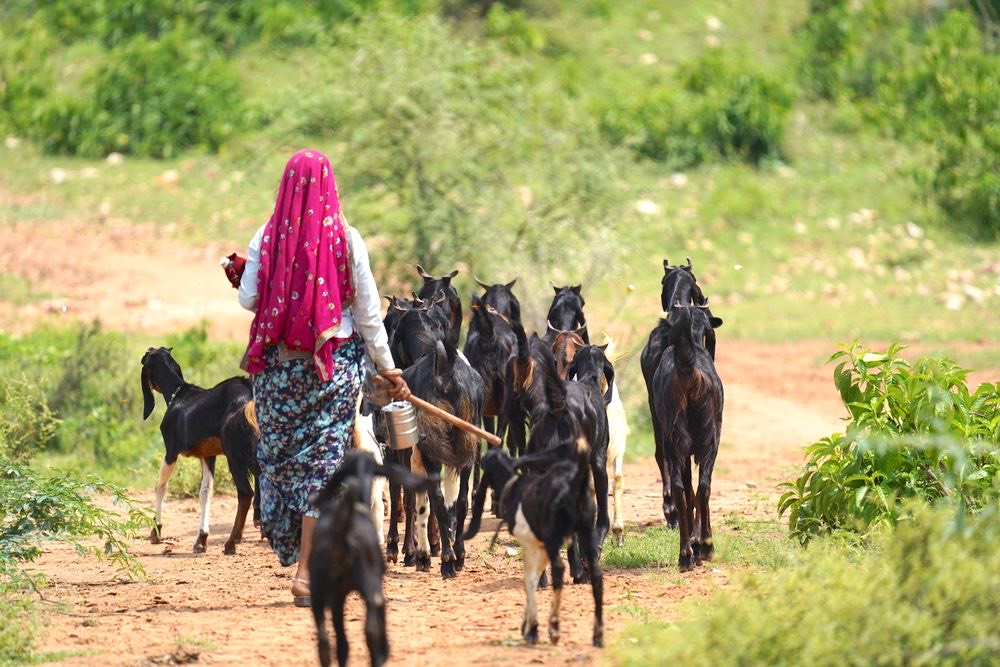
- 6 am Coops open. The flocks spread out under the trees to hunt insects while it's cool. Goats and sheep move to a fresh grazing strip.
- Noon Everyone retreats to the shade. Dust baths for the hens, cud-chewing for the goats and sheep. This is when the trees earn their keep.
- 5 pm A second foraging round, then the birds return to mobile coops, which we move regularly so manure spreads evenly across the orchard.
Moving the animals is the quiet secret. They never stay on one patch long enough to damage it, and every patch gets rest, manure and regrowth in turn.
Why bother?
Six things this model gives you, and us.
- 01
Healthier animals
Hens shaded from the summer sun, goats browsing the plants they'd choose in the wild, sheep grazing open ground. Animals living close to their natural behaviour rarely need medicine, so we don't use routine antibiotics.
- 02
Soil that gets richer every year
Manure, scratched-in leaf litter and root activity build dark, living topsoil. Conventional farming spends soil like money. This model saves it.
- 03
Pest control without poison
Hens hunt mango hoppers, fruit-fly pupae and grubs all day. Weeds get grazed before they seed. On this farm the spray schedule has feathers and hooves.
- 04
Food that tastes like it should
Slow growth and natural diets change the product: firmer chicken with real flavour, yolks the colour of turmeric, fruit ripened on the tree.
- 05
A farm that needs less water
Tree canopy and mulch keep the soil cool and moist, so every drop of Rayalaseema's scarce rain goes further. Animals in shade stress less and drink less.
- 06
Many baskets, not one
Eggs every week, chicken every few months, meat by the season, mangoes once a year. When income comes from several parts of one system, one bad season can't sink the farm.
The honest trade-offs.
Integrated farming is slower and smaller than industrial farming, and that's built in. Our chickens take months, not weeks, to grow. Our mango yields will never match a chemical-fed orchard's on paper. Batches sell out. We think the trade is worth it: less quantity, more life, in the soil, in the animals, and on your plate.
Taste what the model produces