What 'integrated farming' actually means to us
It's not a certification or a buzzword. It's a simple promise: every part of the farm feeds another part, so we don't need chemicals to hold it together.
10 April 2026 · Venkatagiri Hills Farm
The word integrated gets used a lot in farming circles. Here’s what it means on our land, in plain words.
A farm that feeds itself
On a conventional farm, everything comes in from outside: fertiliser in bags, pest control in bottles, feed in sacks. Each problem gets its own purchased solution.
On an integrated farm, the parts solve each other’s problems:
- The mango trees give the animals shade and forage.
- The chickens eat the orchard’s pests and weed seeds.
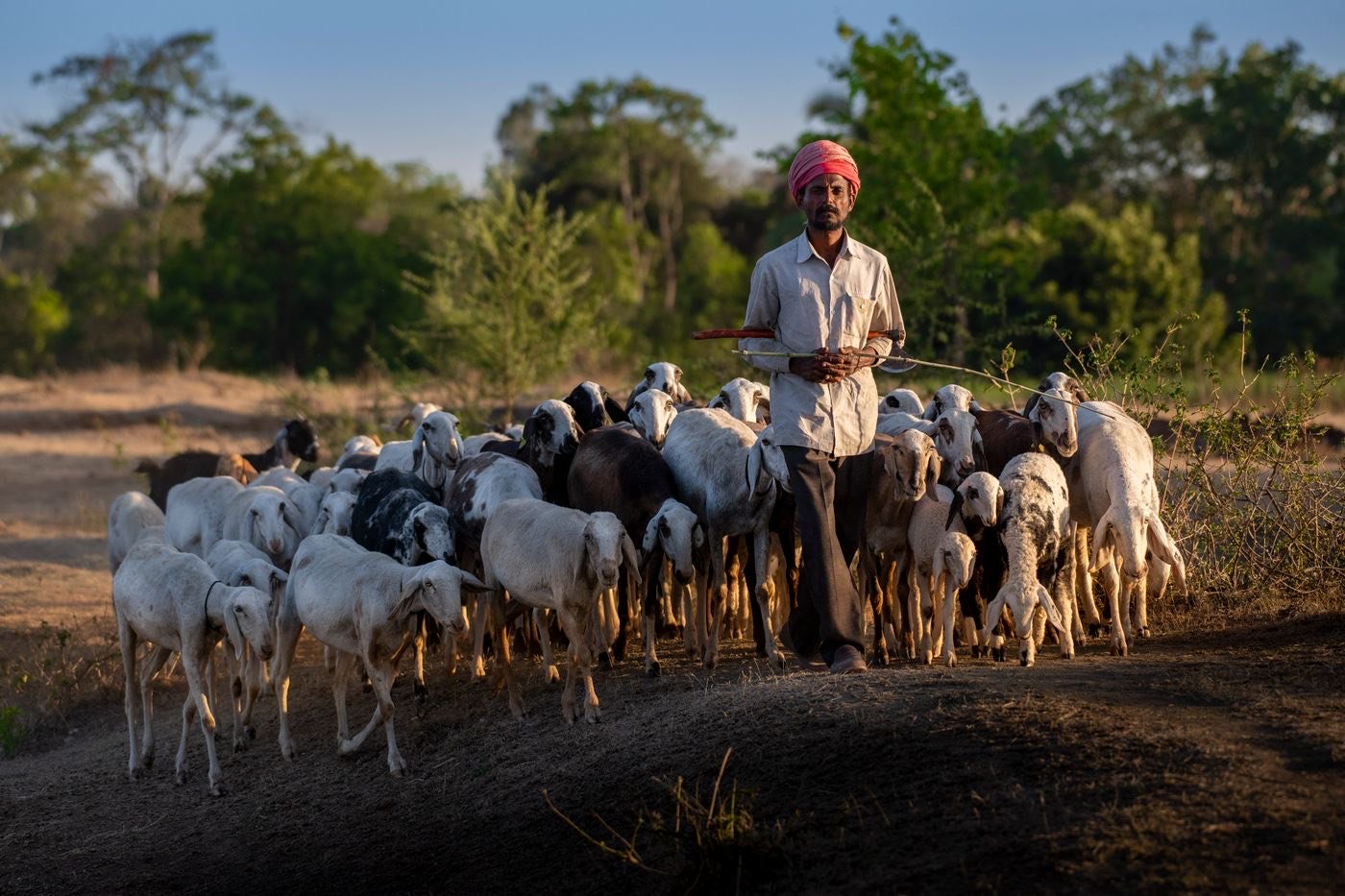
- The goats and sheep mow the grass we’d otherwise cut or spray.
- All the animals fertilise the soil, which feeds the trees.
- Healthier trees mean more shade and forage — and the loop goes around again.
Nothing is wasted, because one part’s waste is another part’s food.
Why this matters for your plate
We didn’t choose this model to be fashionable. We chose it because of what it produces:
- Chicken and eggs from birds that exercise, forage and live naturally — firmer meat, richer yolks.
- Meat from goats and sheep raised on living pasture, not in pens.
- Mangoes grown in soil fed by manure and mulch, not urea — ripened on the tree, not in a carbide box.
Fewer chemicals isn’t the goal. It’s the result of a system where chemicals simply aren’t needed.
We’re building this in the open
We’re an early-stage farm, and we’d rather show you the honest process than a polished story. The journal is where we’ll post progress — the wins, the setbacks, and the mud.
If this way of farming makes sense to you, come and see it for yourself. The gate is open.
Come and see it in person.